Weekend Dinners, Late Nights, and Digestive Woes: How Gut Guard Can Help

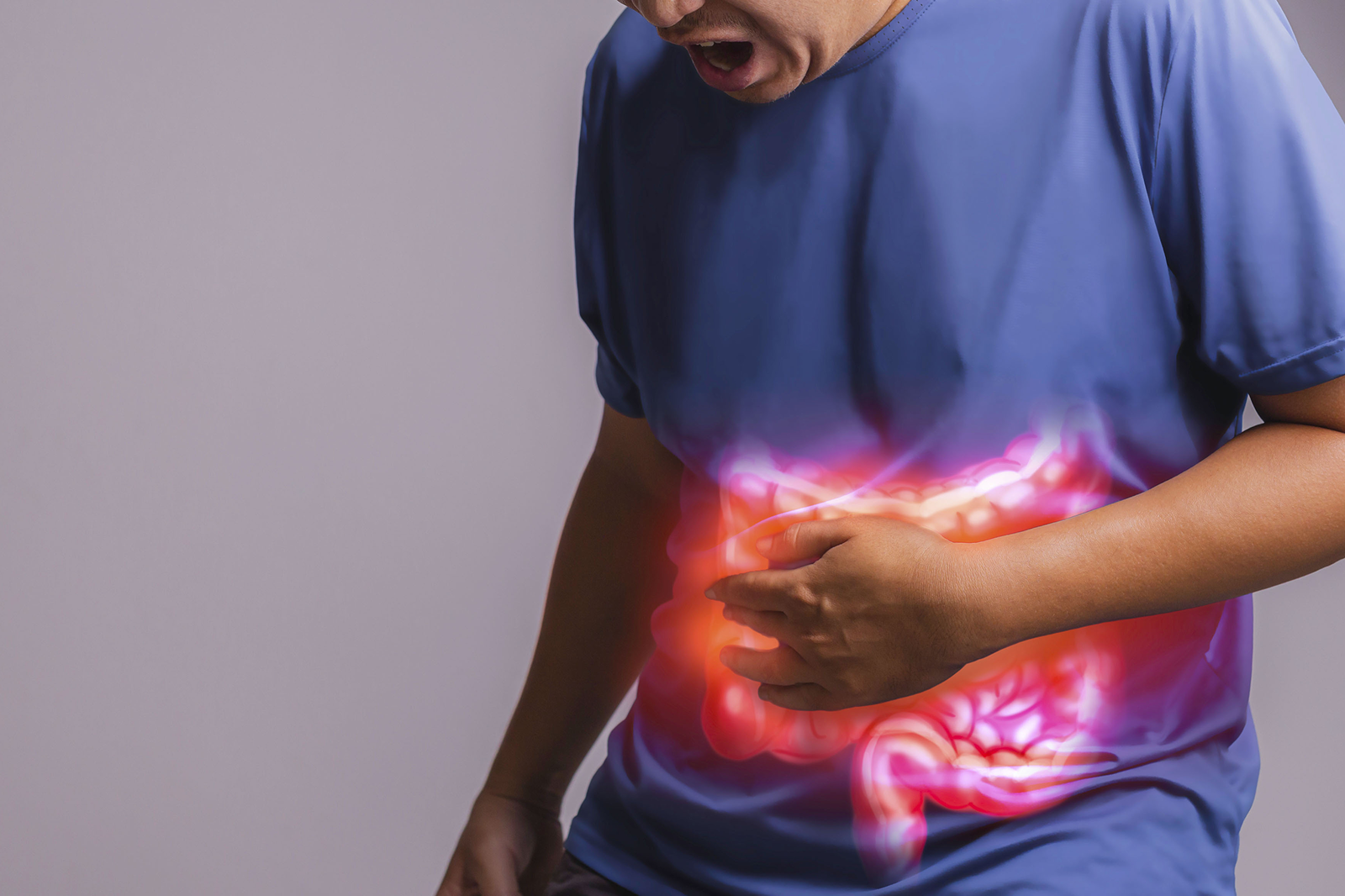
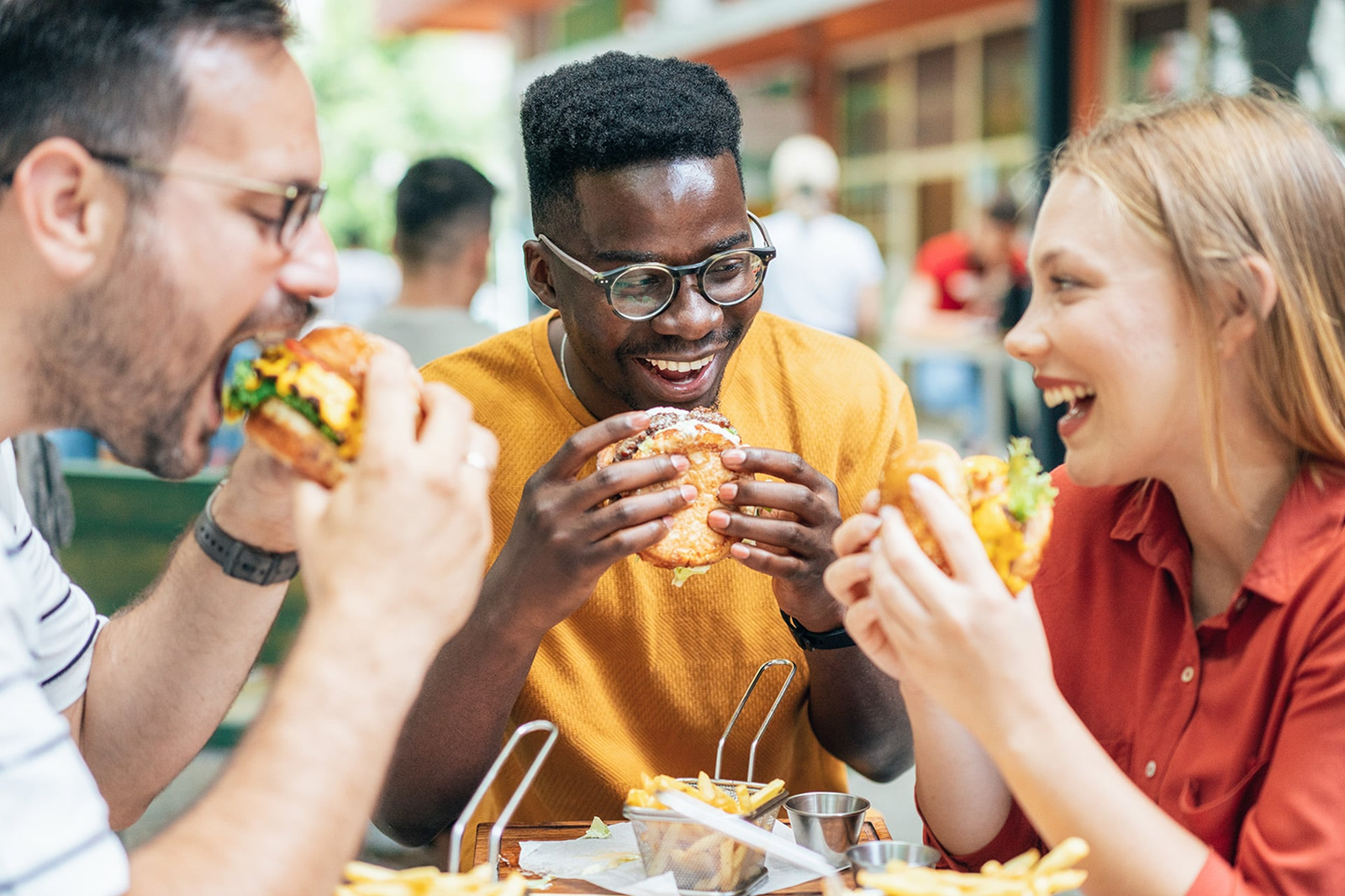
For many young couples and young adults in India, weekends mean going out for dinners, trying new cuisines, and staying up late. While it’s a fun way to unwind, these habits often come with hidden digestive consequences — bloating, acidity, constipation, and sluggish metabolism.

Why Late-Night Eating and Heavy Meals Cause Digestive Problems

Overeating and Heavy Meals

Restaurant meals, street food, or late-night snacks tend to be rich, oily, and high in carbohydrates, which are harder to digest. Eating too much in one sitting overloads the stomach, slows down gastric emptying, and leads to bloating and discomfort.

Late Sleep and Irregular Meal Timings

When you sleep late, the body’s circadian rhythm and digestive enzymes are disrupted. Your stomach may not digest food efficiently, leading to sluggish bowels and constipation.

Sedentary Relaxation After Meals

After a heavy dinner, most people relax on the couch, watch TV, or scroll through their phones. Physical inactivity after eating slows gut motility, contributing to bloating and irregular bowel movements.

Spicy, Fatty, and Processed Foods

Indian weekend treats are often spicy, oily, or fried, which can irritate the stomach lining, increase acidity, and cause heartburn compounding the effects of late-night meals.

What Happens Inside the Body

  • Constipation: Heavy meals plus late nights slow bowel movement, creating hard stools and abdominal pressure.
  • Bloating: Food sits longer in the stomach and intestines, causing gas accumulation and discomfort.
  • Acidity: Spicy and oily foods trigger excess acid production, irritating the stomach lining.
  • Sluggish metabolism: Disrupted digestion reduces the efficiency of gastric enzymes, slowing down nutrient absorption and energy production.

Why Gut Guard is the Ideal Solution

Gut Guard, our specially formulated Ayurvedic powder, is designed to tackle digestive issues at the root. Inspired by traditional practices from Saurashtra and Dang, it combines 12 potent herbs to support your digestive system naturally.

How Gut Guard Helps:

  • Relieves bloating and gas by promoting smoother digestion
  • Improves bowel regularity and reduces constipation
  • Enhances gastric enzyme release, helping your metabolism process food efficiently
  • Balances stomach fire (Agni) to prevent acidity and heartburn
  • Detoxifies the digestive tract, reducing long-term digestive discomfort

Unlike modern medicine that only masks symptoms temporarily, Gut Guard addresses the root cause of digestive imbalance, helping you enjoy your weekend meals without paying the price later.

Convenient, Safe, and Family-Friendly

One of the biggest advantages of Gut Guard is its practical dosage: just 1 gram after each meal. Unlike other remedies with large, inconvenient doses, this is easy to take daily.

It is also safe for all age groups from children as young as 2 years to grandparents aged 100. This makes it a family-friendly digestive solution, ensuring everyone can benefit from natural digestive support.

Tips to Maximize Digestive Health on Weekends

  • Don’t overeat try smaller portions if you are having heavy meals.
  • Stay moderately active after dinner even a short walk helps digestion.
  • Maintain hydration to keep the intestines moving.
  • Take Gut Guard after each meal to aid digestion and prevent bloating.

Final Thoughts

Weekend fun doesn’t have to come at the cost of your gut health. With Gut Guard, you can enjoy your favorite foods, stay up late, and still maintain good digestion, avoid bloating, and improve metabolism naturally.

Gut Guard your modern digestive ally, rooted in a century-old tradition.

Travel Without Tummy Trouble: How Gut Guard Keeps Your Gut Happy on Long Trips

Everyone loves a weekend getaway or a long vacation to relax and explore new places. But for most travelers, gut issues like diarrhea, constipation, acidity, or food poisoning often turn a fun trip into an uncomfortable experience.

Eating out at roadside dhabas, street food stalls, or restaurants in new cities exposes your digestive system to unfamiliar foods, spices, and hygiene conditions. Even the excitement of travel can disrupt meal timings, sleep patterns, and hydration, further increasing the risk of digestive problems.

Why Travel Often Upsets Your Gut

Diarrhea & Food Poisoning

  • Eating unhygienic or improperly cooked food can introduce harmful bacteria or viruses.
  • Sudden changes in diet, spices, and water sources can upset your gut flora.

Acidity & Heartburn

  • Rich, oily, or spicy foods during trips can increase stomach acid production.
  • Irregular meals and late-night eating make it harder for your stomach to digest food efficiently.

Constipation & Bloating

  • Travel often means less water intake, irregular toilet schedules, and long sedentary hours.
  • Hard stools, abdominal discomfort, and bloating are common companions on long trips.

Allopathic Medicines vs Gut Guard

When gut issues strike, most people rely on allopathic medicines like antacids, laxatives, or antibiotics. The problem?

  • Allopathic medicines are reactive — we usually take them after feeling sick, when symptoms like acidity, bloating, or diarrhea have already started.
  • They relieve symptoms temporarily but don’t prevent the problem or strengthen your digestive system for future challenges.

Gut Guard changes the game:

  • It can be taken after every meal, even before any symptoms appear, keeping your gut strong, balanced, and ready for any food you eat.
  • Prevents constipation, bloating, acidity, and even reduces the risk of food-related digestive issues.
  • Works for all ages — from children to grandparents — making it a travel-friendly, proactive digestive solution.

How Gut Guard Helps on Trips

  • Relieves bloating and constipation naturally
  • Reduces acidity and heartburn
  • Promotes healthy digestion and enzyme release
  • Protects against foodborne gut issues
  • Convenient 1-gram dosage after every meal

Unlike allopathic medicines, Gut Guard works proactively, so you don’t have to wait to feel sick before taking action.

Tips for a Gut-Friendly Trip

  • Drink plenty of water to stay hydrated
  • Avoid extremely oily or unhygienic street foods
  • Take Gut Guard regularly after meals
  • Include light activity or short walks after meals to support gut motility

Scrolling in the Toilet? Your Phone Might Be Causing Piles & Fissure


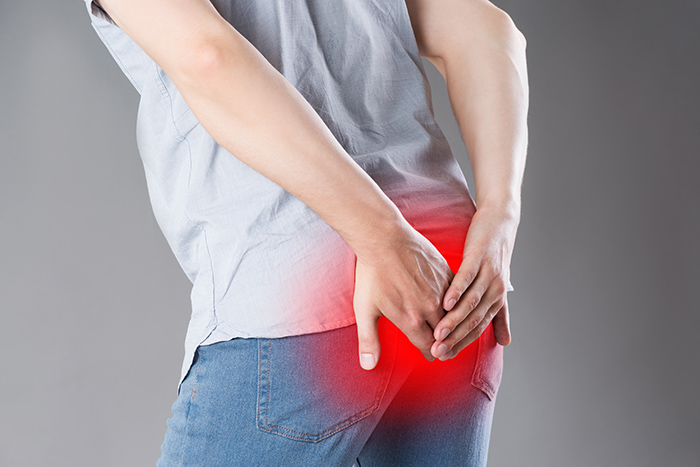
You might think piles and anal fissures are “old people problems,” but the truth is very different. Today’s young adults, constantly glued to their phones, surviving on late-night snacks, and sacrificing sleep, are increasingly at risk. The culprit isn’t just bad luck — it’s a combination of modern lifestyle habits that directly affect the delicate anatomy of the anal canal.

How Mobile Phones Are Making Your Bum Pay the Price

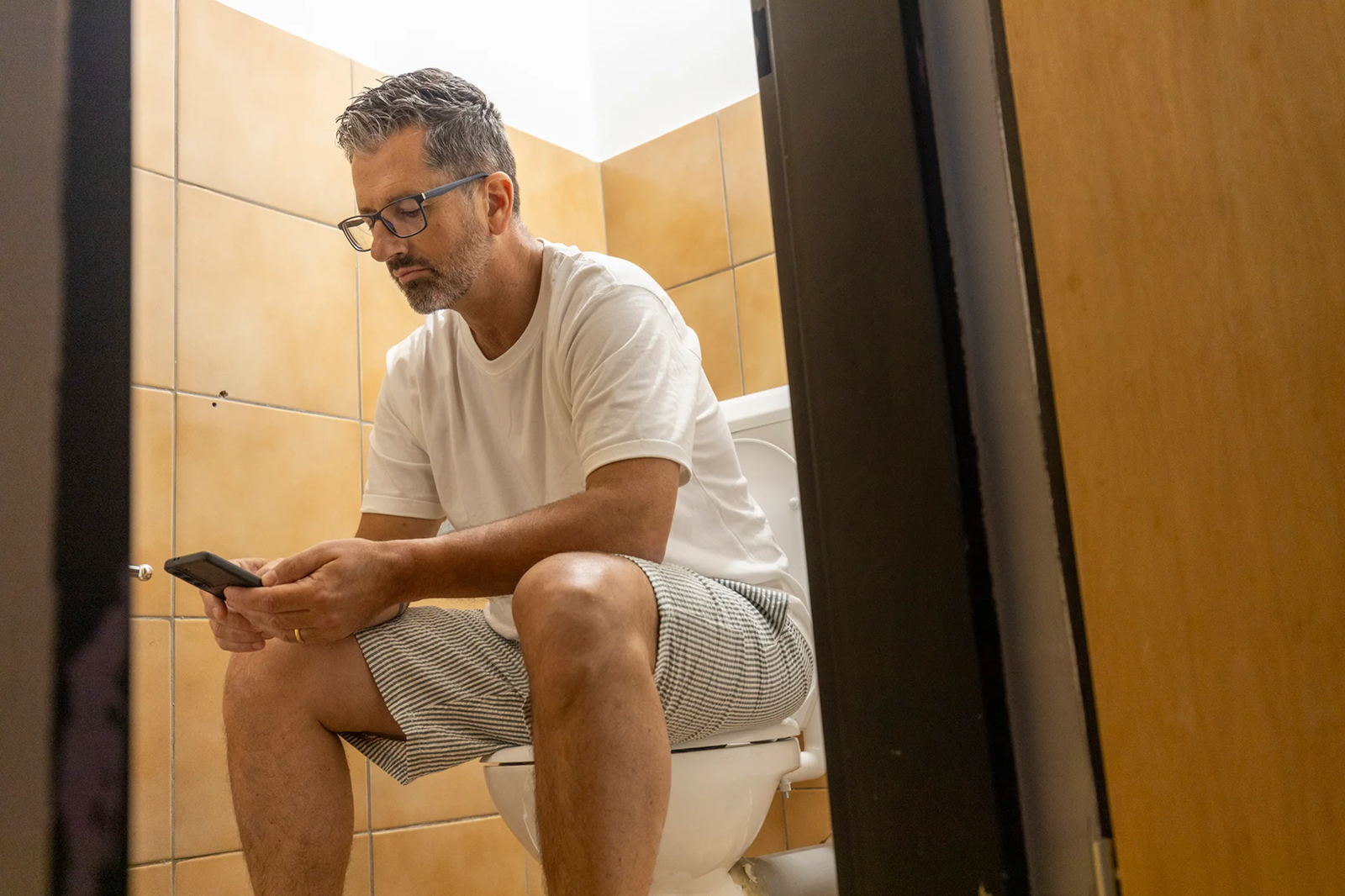
Spending 10–20 minutes scrolling Instagram, TikTok, or chatting on WhatsApp while on the toilet may feel harmless, but anatomically, it’s a problem. Prolonged sitting on the toilet creates excessive pressure on the hemorrhoidal veins inside the anal canal.

Here’s what happens step by step:

1. Prolonged Sitting → Increased Venous Pressure

The veins in the anal canal normally act as cushions to support stool passage. Extended sitting compresses these veins, slows blood flow, and causes them to swell — forming piles.

2. Straining + Hard Stool → Micro-tears

Many people also strain while scrolling, delaying bowel movements or ignoring urges. This increases intra-abdominal pressure, stretching veins further. In some cases, the hard stool tears the anal lining, creating a fissure.

Late-Night Food & Digestive Chaos

Late-night snacks — instant noodles, burgers, pizza, and oily foods — disrupt digestion and lead to constipation. Here’s the connection:

  • Spicy or fatty foods irritate the gut lining → slower transit of stool.
  • Low fiber content = harder stool.
  • Holding stool due to busy schedules → pressure on the anal canal → worsening piles and fissures.

Anatomically, this repeated straining damages the mucosa and submucosal veins in the rectum, causing inflammation, bleeding, and pain.

Sleep Deprivation: More Than Just Tired Eyes

Skipping sleep doesn’t just make you groggy; it directly affects bowel health. Poor sleep leads to:

  • Slower gut motility → constipation
  • Weakened blood circulation in the lower body → swelling of anal veins
  • Increased stress hormones → higher risk of inflammation

So binge-watching late into the night isn’t just bad for your grades or work — it’s silently contributing to piles and fissure.

How These Factors Combine to Create Pain

Think of it like a chain reaction:

Late-night food → constipation → straining → prolonged sitting with phone → swollen anal veins → micro-tears → bleeding & pain → stress → poor sleep → slower healing

This explains why so many young adults experience itching, burning, bleeding, and pain while sitting or using the toilet.

Why You Don’t Have to Fear an Embarrassing Doctor Visit

We get it — talking about piles and fissure can be awkward. That’s why MDHealthcare offers online consultations.

  • No need to expose yourself for examination
  • Friendly, private, and confidential
  • Personalized assessment by Dr. Anilkumaar and the dietician team
  • Advice, medicines, and lifestyle plan delivered directly

Our approach ensures that you get treatment without embarrassment or discomfort, making it perfect for busy students, working professionals, or anyone hesitant to visit a clinic.

How Pylixa-Z™ Works for Young Adults

Our integrated approach is designed to target both causes and symptoms:

  • Reduces swelling and bleeding from piles naturally
  • Heals fissure tears without surgery
  • Softens stool and improves bowel movement
  • Corrects digestion and gut health to prevent recurrence
  • Works alongside dietary and lifestyle adjustments like better sleep, hydration, and posture

Even if your habits are hectic, early intervention with Pylixa-Z™ can prevent Stage 1–3 piles and acute fissures from becoming severe. Stage 4 piles still require surgical care, but most young adults can avoid it entirely.

Final Message

Your phone, late-night snacks, and lack of sleep might be fun now, but your anal health is silently paying the price. Don’t wait for pain or bleeding to get worse.

With Pylixa-Z™ and our confidential online consultation, you can treat piles and fissure naturally — without embarrassment, without surgery, and without taking a break from your life.

Scroll less on the toilet, eat well, sleep enough… and let us handle the rest!

Constipation and Acidity in India: Causes, Lifestyle, and Ancient Solutions

Constipation and acidity are among the most common digestive problems in India today. From busy city professionals to students, housewives to elderly, millions struggle silently with bloating, irregular bowel movements, heartburn, and discomfort. While modern medicine provides quick relief, it often treats only the symptoms without addressing the root cause of the problem.

Why Constipation and Acidity Happen

Diet Habits

  • Spicy, oily, and processed foods are staples in many Indian households. While they taste good, they often slow down digestion, irritate the stomach lining, and contribute to acidity.

  • Low fiber intake, especially in urban diets lacking fruits, vegetables, and whole grains, causes hard stools and constipation.

Irregular Meal Timings

Skipping breakfast, eating late at night, or irregular meal patterns disrupt the digestive rhythm, weaken digestive fire (Agni in Ayurveda), and trigger both constipation and acidity.

Sedentary Lifestyle

With long hours at desks, computers, or behind the wheel, physical inactivity reduces gut motility, leading to slower bowel movements and chronic constipation.

Stress and Sleep Deprivation

Stress, irregular sleep, and late-night work or study habits are common in modern India. Stress hormones slow digestion, irritate the stomach lining, and worsen acidity.

Mobile Phone & TV Habits

Sitting for long hours, including on the toilet while scrolling through phones, further increases abdominal pressure and slows bowel movement — a surprisingly common contributor among young adults.

Traditional Wisdom from Gujarat and Dang

Long before allopathic medicines became widely available, our forefathers in Saurashtra (Gujarat) and Dang relied on natural remedies to keep digestion healthy.

They used a unique combination of 12 herbs in powdered form, designed to:

  • Stimulate digestion
  • Ease bowel movements naturally
  • Reduce acidity and bloating
  • Restore gut balance

This technique, preserved over 100 years, was trusted by local communities for safe, natural, and lasting digestive health.

Gut Guard: Modern Solution Inspired by Ancient Wisdom

At MDHealthcare, we’ve revived this ancestral formula as Gut Guard — a powder made from 12 carefully selected Ayurvedic herbs.

How Gut Guard Works:

  • Relieves constipation naturally by improving bowel movement and softening stools
  • Reduces acidity and heartburn by balancing stomach fire (Agni)
  • Detoxifies the digestive system and supports healthy gut flora
  • Prevents recurrence with regular use

Unlike modern medicine that only masks symptoms temporarily, Gut Guard treats the root cause, ensuring long-lasting relief.

Convenient, Safe, and Family-Friendly

One of the biggest advantages of Gut Guard is its easy and practical dosage. Unlike other remedies that require large, inconvenient doses, Gut Guard is taken as just 1 gram after each meal — simple, quick, and easy to remember.

It’s also extremely safe and versatile: children as young as 2 years can take it, and it’s suitable for elders up to 100 years old. This makes Gut Guard a family-friendly digestive solution, unlike many modern medicines that have age restrictions or side effects.

With this small, potent dose, you get effective relief from constipation and acidity, support for healthy digestion, and protection against recurrence — all in a single, convenient powder.

Why Gut Guard is Perfect for India Today

  • Addresses modern lifestyle triggers: late-night eating, stress, sedentary jobs
  • Respects regional and traditional practices from Saurashtra and Dang
  • Provides a safe, herbal, and holistic solution
  • Suitable for young adults, working professionals, children, and seniors alike

Final Thoughts

Constipation and acidity are not just discomforts — they are signals from your body asking for balance. With Gut Guard, you can reclaim digestive health naturally, honoring centuries of Ayurvedic wisdom while adapting to modern life.

Heal your gut the traditional way, with Gut Guard — centuries of wisdom in every spoonful.

The Story Behind Pylixa-Z

How an Allopathic Doctor Found a Complete Healing Solution for Piles & Fissure Without Surgery

Piles and fissure are extremely common, yet many people continue to suffer quietly. The fear of surgery, painful recovery, and social embarrassment stop them from seeking proper help. For Dr. Anilkumaar (MBBS, MD Pharmacology), this suffering was never just a medical condition described in textbooks it was a painful reality that he witnessed at home every single day.

Before he became a doctor, he was a son watching his mother struggle with both piles and fissure. Her mornings began with fear, and the pain and bleeding made even daily living a challenge. Doctors advised surgery, but she was terrified of complications. She tried multiple treatments, including Ayurveda, but nothing offered complete and lasting relief. Observing his mother’s helplessness became a turning point in his life. He silently promised himself that he would one day find a treatment that truly worked — a treatment that could eliminate piles and fissure without surgery.

Years passed, and he became an Allopathic doctor specializing in Pharmacology — the science of medicines and how they work in the body. Yet, his mother’s pain remained in his mind and heart. He realized something profound during his medical journey: no single system of medicine has all the answers. Allopathy could offer temporary symptom relief, but true healing especially for piles and fissure required deeper correction of digestion, tissue healing, and lifestyle change.

This thought led him to explore ancient Indian medical knowledge. With genuine curiosity and scientific discipline, he studied revered Ayurvedic texts such as Charak Samhita and Ashtanga Hridayam, and also learned from experienced traditional healers and yogis. Through them, he discovered rare healing techniques and herbal combinations specifically used since centuries for internal wound healing and bleeding disorders. At the same time, he worked closely with nutrition experts, understanding how the right diet plays a crucial role in preventing recurrence of piles and fissure. He also integrated simple yogic practices that help reduce pain and speed up healing.Slowly, a new approach began to take shape — one that combined Allopathic scientific understanding with the natural healing strength of Ayurveda, the digestive correction of nutrition therapy, and the supportive power of yogic science. This became his signature Integrated Healing Protocol — a complete way to cure piles and fissure from the root.After years of research, refinement, and standardization, he developed a specialized herbal formulation with modern safety standards while preserving ancient potency. This innovation became Pylixa-Z created with one purpose: to give patients fast relief, strong healing, and a life free from piles and fissure without undergoing surgery.The first and most emotional success story of Pylixa-Z was his own mother. She finally achieved the relief she had been searching for all those years. No operation. No fear. A new, confident life.Today, thousands across India have benefited from MDHealthcare’s integrated treatment protocol. Patients receive expert supervision from Dr. Anilkumaar, who ensures the right medical decisions, while a qualified Dietician provides personalized dietary guidance. Yogic techniques are incorporated to accelerate recovery and reduce discomfort. Together, this creates a holistic care system that focuses not only on relief but on complete healing that lasts.Pylixa-Z is not just a medicine. It is a promise born from a son’s love and a doctor’s determination. It carries the belief that modern science and ancient wisdom can come together to help people overcome piles and fissure without fear, without embarrassment, and without surgery.This mission continues every day at MDHealthcare helping people reclaim their comfort, confidence, and happiness… one healed life at a time.

Why Piles & Fissure Are So Common Among Drivers & How They Can Heal Naturally_

Why Piles & Fissure Are So Common Among Drivers & How They Can Heal Naturally?

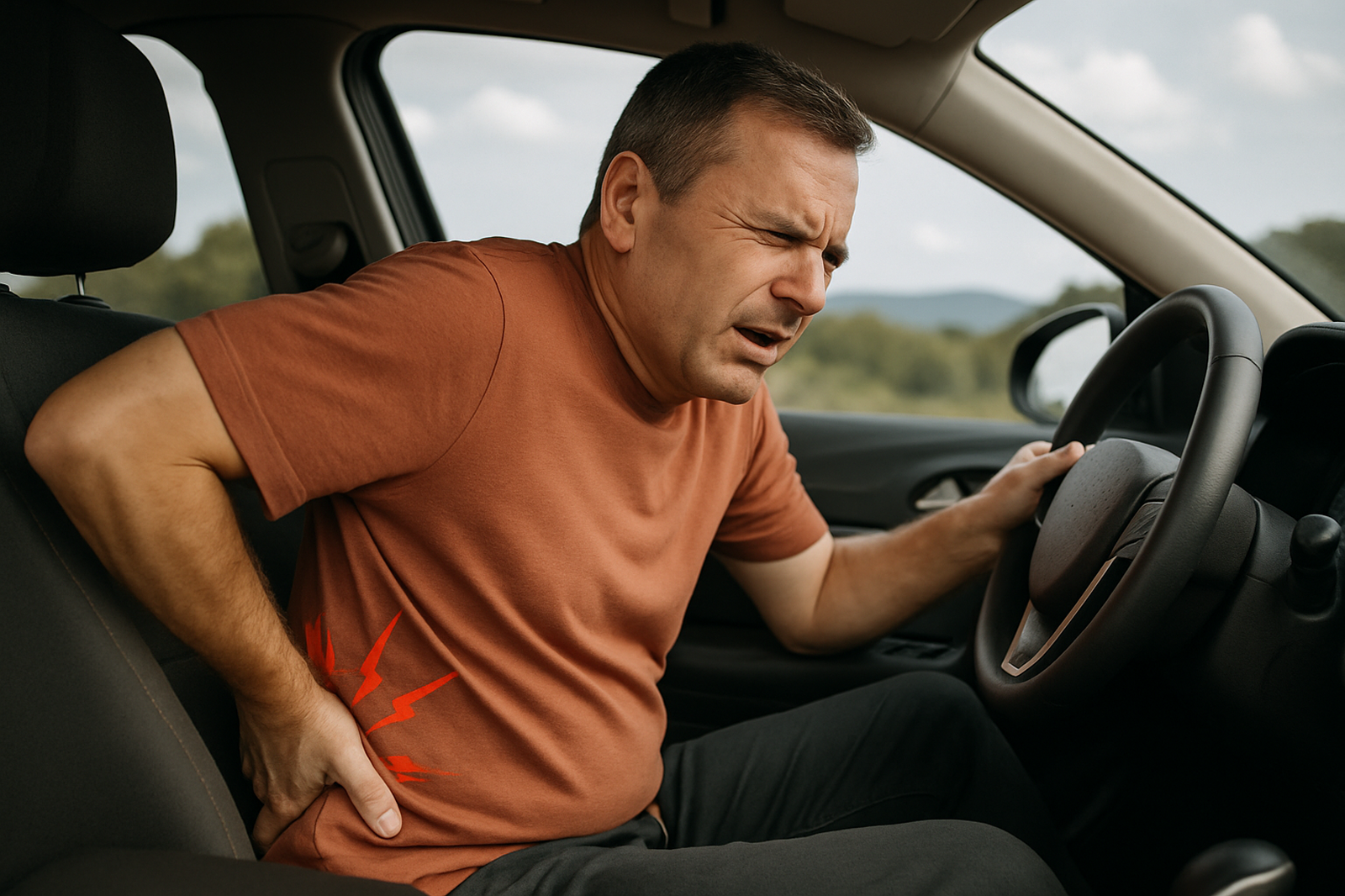
For many truck drivers, delivery riders, and cab drivers across India, long hours behind the wheel are just part of the job. But what they often don’t realize is that their profession puts them at high risk for piles (hemorrhoids) and anal fissure, two painful conditions that silently affect their daily life, comfort, and even earning potential.

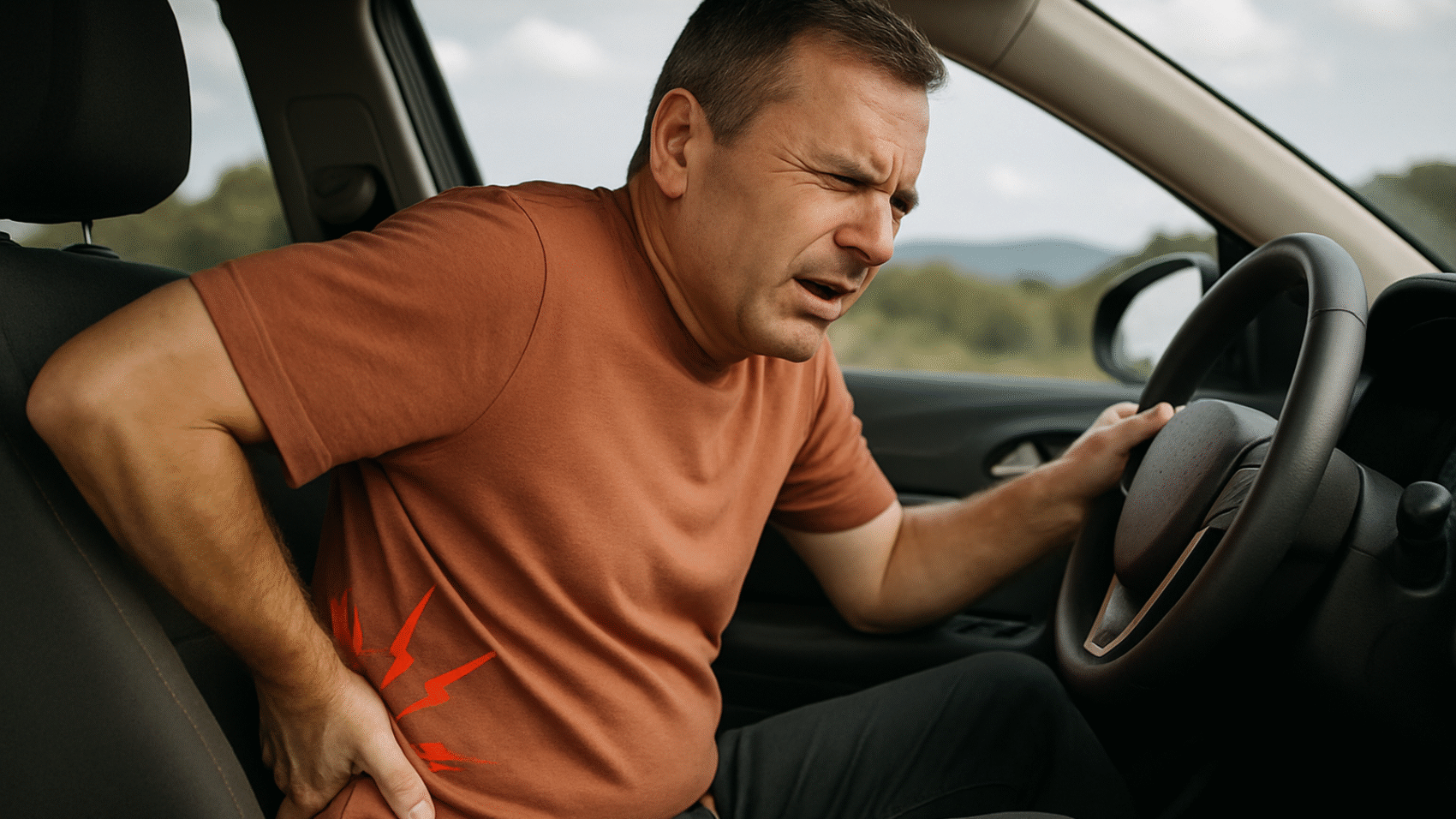
Drivers spend 10–14 hours sitting every day, often on rough or narrow seats, putting constant pressure on the veins around the anus. Add irregular meals, spicy roadside food, dehydration, stress, and holding in bowel movements for long stretches, and the veins and delicate anal tissues start to suffer. Over time, this repeated pressure and strain leads to swelling of the veins — forming piles — and small tears in the anal skin — known as fissures.

It’s a vicious cycle. Pain and burning during stool make drivers anxious to use the toilet, which worsens constipation. Hard stool causes fissures, which cause more pain, which leads to straining… and the problem keeps escalating. Yet, many drivers remain silent, fearing embarrassment or loss of workdays.

Piles come in different forms. Internal piles develop inside the rectum and may bleed without causing pain at first. External piles appear as painful lumps around the anus, sometimes forming clots or thrombosed piles. Doctors classify internal piles into four stages: Stage 1 (mild swelling inside), Stage 2 (protrudes during stool but returns on its own), Stage 3 (needs to be pushed back manually), and Stage 4 (permanently prolapsed and extremely painful). External piles and fissures often occur alongside internal piles, compounding the discomfort.

The good news is that early-stage piles (Stage 1–3), external piles, and fissures respond very well to conservative and integrated treatment — combining medicines, diet, and lifestyle modifications. That’s where Pylixa-Z comes in.

At MDHealthcare, we use an integrated healing approach tailored specifically for drivers: modern medical knowledge identifies and manages the problem, herbal Ayurvedic formulation (Pylixa-Z) reduces swelling and bleeding, personalized diet corrects digestion, and simple yogic techniques help ease bowel movement and promote healing. Drivers can continue their work while healing, without surgery, hospitalization, or long rest periods.

Stage 4 piles or very severe chronic fissures are a different story. In these critical cases, surgery is often required. But most drivers who act early — when they notice bleeding, swelling, or pain — can avoid surgery altogether.
Long-distance drivers, delivery riders, and cab drivers often ignore symptoms until the pain becomes unbearable. But the truth is that early treatment, proper diet, hydration, and the integrated protocol with Pylixa-Z can make the difference between months of pain and a full, comfortable recovery.

If you are a driver experiencing discomfort, bleeding, or difficulty passing stool, don’t wait for it to get worse. Early action can help you regain comfort, confidence, and your ability to work without the constant worry of pain.

If you want, I can also create a Hindi/Hinglish version of this article and a visually appealing layout for your website that highlights causes, stages, and Pylixa-Z benefits specifically for drivers.

Why Piles & Fissure Are Common Among Drivers — And How to Treat Them Naturally

Long hours on the road, irregular meals, and limited access to clean toilets — for truck drivers, delivery riders, and cab drivers, these are everyday realities. But these habits also make them highly prone to piles (hemorrhoids) and anal fissures, two painful conditions that silently disrupt daily life and work.

How Driving Lifestyle Contributes to Piles & Fissure

Drivers spend 10–14 hours sitting behind the wheel every day. Prolonged sitting puts constant pressure on the veins around the anus, causing them to swell over time. Holding in bowel movements because toilets are scarce or unclean can lead to hard stools, which tear the delicate anal lining — resulting in fissures.
Other contributing factors include:


    • Spicy or oily roadside food — causes constipation and irritation.

    • Dehydration — avoiding water to reduce toilet breaks leads to dry stools.

    • Heavy lifting — loading and unloading goods increases abdominal pressure.

    • Stress, tobacco, and alcohol — common coping habits that worsen digestion and circulation.

    • Over time, these habits create a painful cycle: hard stools cause fissures → fissures cause pain → pain leads to straining → worsening piles and fissures.

Understanding Piles and Fissures Piles (Hemorrhoids):


    • Internal piles: Veins swollen inside the rectum; often painless at first but may bleed.

    • External piles: Swollen veins outside the anus; can form painful lumps or clots.

Stages of Internal Piles:


    • Stage 1: Mild swelling inside, usually painless.

    • Stage 2: Veins protrude during stool but return on their own.

    • Stage 3: Veins come out and must be pushed back manually.

    • Stage 4: Permanently prolapsed, very painful, often requires surgery.

Anal Fissure:


    • Small tear in the anal lining caused by hard stools.

    • Sharp pain and burning during and after stool.

    • Can bleed and recur if untreated.

    • External piles often accompany internal piles, increasing discomfort for drivers.

Why Early Treatment Is Crucial

Many drivers ignore early symptoms — mild pain, occasional bleeding, or itching — thinking it will go away. But delaying treatment increases pain, swelling, and risk of surgery.

How Pylixa-Z Helps Drivers Heal Naturally

Our integrated treatment approach combines:


    • Allopathic understanding — precise diagnosis and care.

    • Herbal Ayurvedic formulation (Pylixa-Z) — reduces swelling, bleeding, and pain.

    • Personalized diet plan — softens stools and prevents recurrence.

    • Simple yogic techniques — support bowel movement and faster healing.

This approach works effectively for:


    • Stage 1–3 Internal Piles

    • External Piles / Thrombosed Piles

    • Acute & Chronic Fissures

    • Drivers can continue their work while healing, without surgery, long rest, or hospital admission.

    • Stage 4 piles or severe chronic fissures are critical and often require surgical intervention.

Takeaway
Piles and fissure are not just minor problems; they are signals from the body that need attention. For drivers, small changes in daily habits — timely treatment, proper diet, hydration, and integrated care with Pylixa-Z — can make the difference between months of discomfort and a fast, safe recovery.
If you are a driver experiencing bleeding, pain, or swelling, don’t wait for it to worsen. Early action saves pain, prevents surgery, and helps you get back to your life and work comfortably.

How Do Piles & Fissure Actually Occur?

A simple explanation everyone can relate to…
In our daily life we often do small mistakes without realizing their big impact on our health. Sitting too long on the toilet scrolling Instagram… ignoring the urge to pass stool… eating too much spicy or junk food… These habits slowly lead to constipation the root cause of Piles and Anal Fissure.

But What Actually Happens Inside the Body?

In constipation, stool becomes hard and dry. When we strain while passing stool:

✔️ Pressure increases on veins around the anus
✔️ These veins start swelling and bulging
✔️ Over time, they turn into Piles (Hemorrhoids)

If the hard stool causes a crack or cut in the anal skin → Fissure develops.
That’s why fissure feels like glass cutting with severe burning and pain even after you finish stool.

Real-Life Habits That Cause Piles & Fissure

Common Habit What It Leads To
Using mobile in toilet for 15–20 mins daily Extra pressure → Veins swell
Drinking very less water Hard stool
Spicy, fast-food, non-veg in excess Stomach heat → Constipation
Long sitting job / driving Weak blood circulation in anal area
Skipping meals / low fiber diet Slow digestion
Heavy weight lifting at gym Sudden pressure on rectal veins

Small habits… big consequences!


Types of Piles

✔ Internal Piles (Inside the rectum)

Stage Symptoms
Stage 1 Mild bleeding, itching, no visible swelling
Stage 2 Swelling comes out during stool but goes back itself
Stage 3 Swelling comes out and needs to be pushed back manually
Stage 4 Permanently prolapsed piles, very painful & severe bleeding

✔ External Piles (Outside the anus)

  • Painful lump around anus
  • Blood clot formation (Thrombosed piles)
  • Pain while sitting, walking or cleaning

Where Does Treatment Fit In?

⭐ Pylixa-Z Treatment Works Best For:

✔ Internal Piles – Stage 1, Stage 2 & Stage 3
✔ External Piles and Thrombosed piles cases
✔ Fissure with bleeding & burning

👉 Results without surgery, when treated on time with proper medicines + diet.

❗Stage-4 Cases

In advanced Stage-4 piles:

  • Tissue becomes permanently enlarged
  • Surgery may be required

Early treatment → Early recovery!

Final Message

Piles & fissure are not just diseases…
They are warnings from our body to change our habits.

And with integrated medical care like Pylixa-Z, most patients can avoid surgery and return to a pain-free life. 🌿✨