
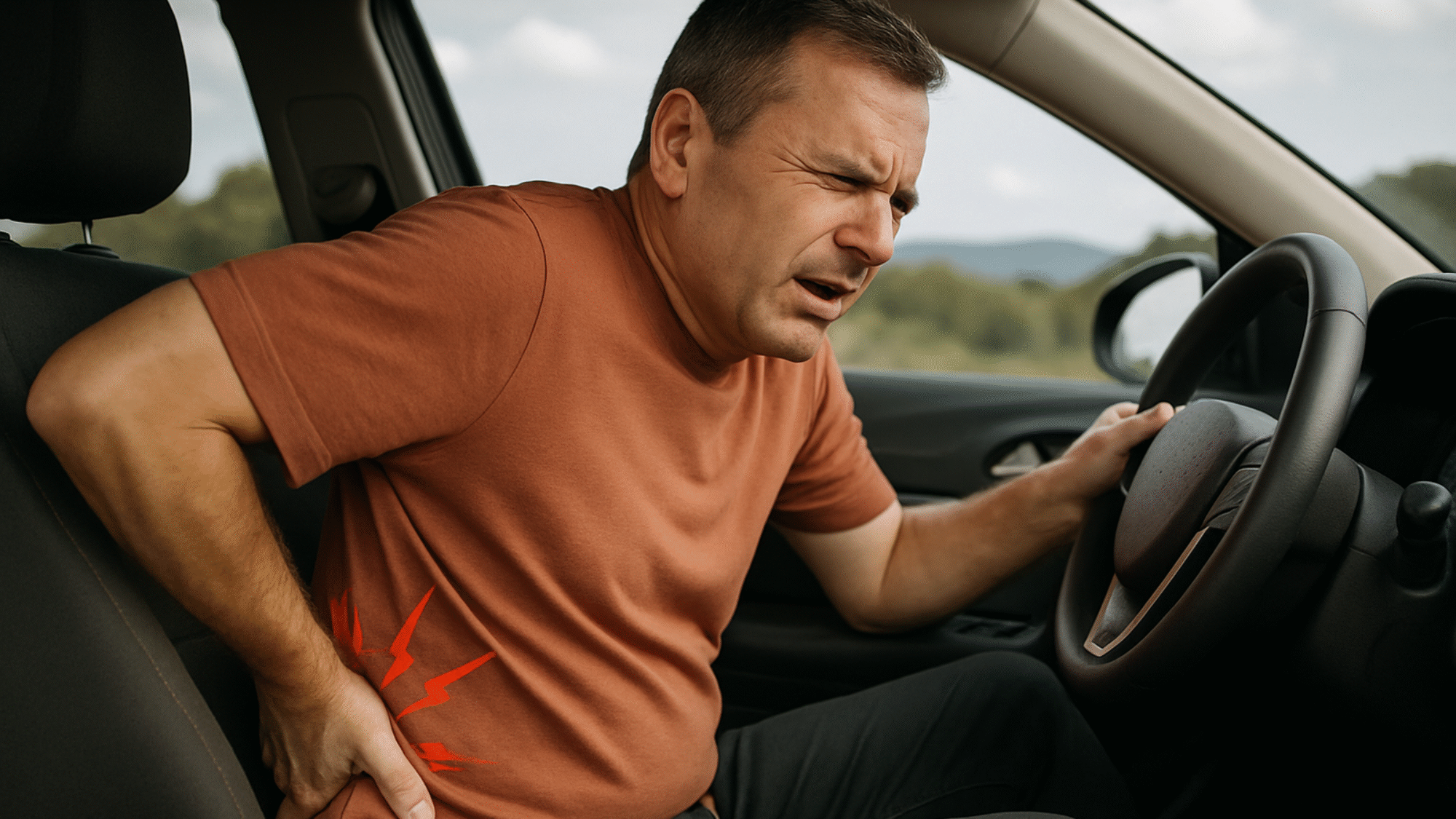
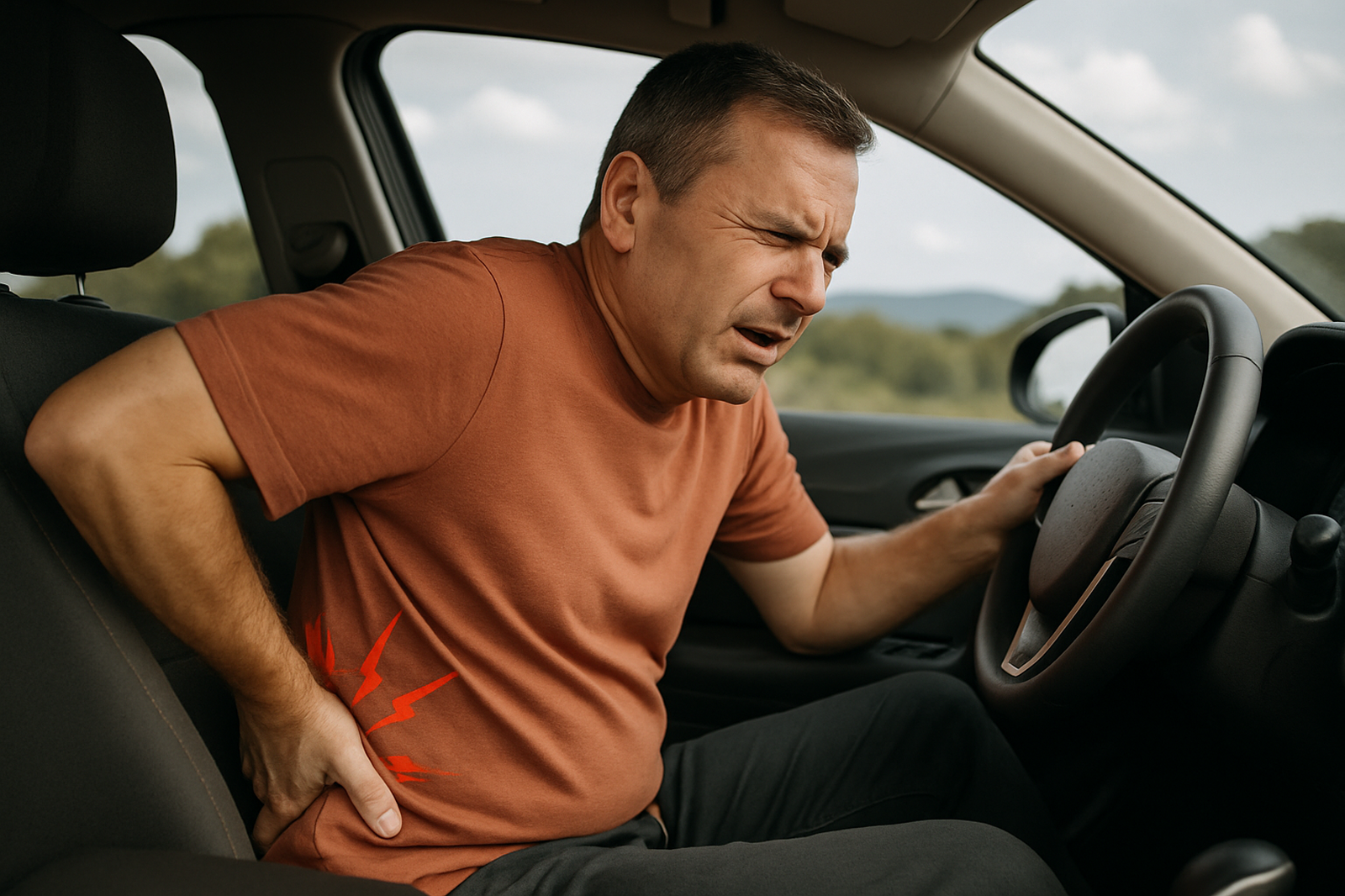
For many truck drivers, delivery riders, and cab drivers across India, long hours behind the wheel are just part of the job. But what they often don’t realize is that their profession puts them at high risk for piles (hemorrhoids) and anal fissure, two painful conditions that silently affect their daily life, comfort, and even earning potential.
Drivers spend 10–14 hours sitting every day, often on rough or narrow seats, putting constant pressure on the veins around the anus. Add irregular meals, spicy roadside food, dehydration, stress, and holding in bowel movements for long stretches, and the veins and delicate anal tissues start to suffer. Over time, this repeated pressure and strain leads to swelling of the veins — forming piles — and small tears in the anal skin — known as fissures.
It’s a vicious cycle. Pain and burning during stool make drivers anxious to use the toilet, which worsens constipation. Hard stool causes fissures, which cause more pain, which leads to straining… and the problem keeps escalating. Yet, many drivers remain silent, fearing embarrassment or loss of workdays.
Piles come in different forms. Internal piles develop inside the rectum and may bleed without causing pain at first. External piles appear as painful lumps around the anus, sometimes forming clots or thrombosed piles. Doctors classify internal piles into four stages: Stage 1 (mild swelling inside), Stage 2 (protrudes during stool but returns on its own), Stage 3 (needs to be pushed back manually), and Stage 4 (permanently prolapsed and extremely painful). External piles and fissures often occur alongside internal piles, compounding the discomfort.
The good news is that early-stage piles (Stage 1–3), external piles, and fissures respond very well to conservative and integrated treatment — combining medicines, diet, and lifestyle modifications. That’s where Pylixa-Z comes in.
At MDHealthcare, we use an integrated healing approach tailored specifically for drivers: modern medical knowledge identifies and manages the problem, herbal Ayurvedic formulation (Pylixa-Z) reduces swelling and bleeding, personalized diet corrects digestion, and simple yogic techniques help ease bowel movement and promote healing. Drivers can continue their work while healing, without surgery, hospitalization, or long rest periods.
Stage 4 piles or very severe chronic fissures are a different story. In these critical cases, surgery is often required. But most drivers who act early — when they notice bleeding, swelling, or pain — can avoid surgery altogether.
Long-distance drivers, delivery riders, and cab drivers often ignore symptoms until the pain becomes unbearable. But the truth is that early treatment, proper diet, hydration, and the integrated protocol with Pylixa-Z can make the difference between months of pain and a full, comfortable recovery.
If you are a driver experiencing discomfort, bleeding, or difficulty passing stool, don’t wait for it to get worse. Early action can help you regain comfort, confidence, and your ability to work without the constant worry of pain.
If you want, I can also create a Hindi/Hinglish version of this article and a visually appealing layout for your website that highlights causes, stages, and Pylixa-Z benefits specifically for drivers.
Why Piles & Fissure Are Common Among Drivers — And How to Treat Them Naturally
Long hours on the road, irregular meals, and limited access to clean toilets — for truck drivers, delivery riders, and cab drivers, these are everyday realities. But these habits also make them highly prone to piles (hemorrhoids) and anal fissures, two painful conditions that silently disrupt daily life and work.
How Driving Lifestyle Contributes to Piles & Fissure
Drivers spend 10–14 hours sitting behind the wheel every day. Prolonged sitting puts constant pressure on the veins around the anus, causing them to swell over time. Holding in bowel movements because toilets are scarce or unclean can lead to hard stools, which tear the delicate anal lining — resulting in fissures.
Other contributing factors include:
-
- Spicy or oily roadside food — causes constipation and irritation.
-
- Dehydration — avoiding water to reduce toilet breaks leads to dry stools.
-
- Heavy lifting — loading and unloading goods increases abdominal pressure.
-
- Stress, tobacco, and alcohol — common coping habits that worsen digestion and circulation.
-
- Over time, these habits create a painful cycle: hard stools cause fissures → fissures cause pain → pain leads to straining → worsening piles and fissures.
Understanding Piles and Fissures Piles (Hemorrhoids):
-
- Internal piles: Veins swollen inside the rectum; often painless at first but may bleed.
-
- External piles: Swollen veins outside the anus; can form painful lumps or clots.
Stages of Internal Piles:
-
- Stage 1: Mild swelling inside, usually painless.
-
- Stage 2: Veins protrude during stool but return on their own.
-
- Stage 3: Veins come out and must be pushed back manually.
-
- Stage 4: Permanently prolapsed, very painful, often requires surgery.
Anal Fissure:
-
- Small tear in the anal lining caused by hard stools.
-
- Sharp pain and burning during and after stool.
-
- Can bleed and recur if untreated.
-
- External piles often accompany internal piles, increasing discomfort for drivers.
Why Early Treatment Is Crucial
Many drivers ignore early symptoms — mild pain, occasional bleeding, or itching — thinking it will go away. But delaying treatment increases pain, swelling, and risk of surgery.
How Pylixa-Z Helps Drivers Heal Naturally
Our integrated treatment approach combines:
-
- Allopathic understanding — precise diagnosis and care.
-
- Herbal Ayurvedic formulation (Pylixa-Z) — reduces swelling, bleeding, and pain.
-
- Personalized diet plan — softens stools and prevents recurrence.
-
- Simple yogic techniques — support bowel movement and faster healing.
This approach works effectively for:
-
- Stage 1–3 Internal Piles
-
- External Piles / Thrombosed Piles
-
- Acute & Chronic Fissures
-
- Drivers can continue their work while healing, without surgery, long rest, or hospital admission.
-
- Stage 4 piles or severe chronic fissures are critical and often require surgical intervention.
Takeaway
Piles and fissure are not just minor problems; they are signals from the body that need attention. For drivers, small changes in daily habits — timely treatment, proper diet, hydration, and integrated care with Pylixa-Z — can make the difference between months of discomfort and a fast, safe recovery.
If you are a driver experiencing bleeding, pain, or swelling, don’t wait for it to worsen. Early action saves pain, prevents surgery, and helps you get back to your life and work comfortably.
Add a Comment